Dog Memory: How Dogs Remember
How Does Dog Memory Work? Understanding What Your Dog Really Remembers
Have you ever wondered how your dog remembers you, recognizes places, learns routines, or reacts strongly to certain people after a long time apart?
Dog memory is fascinating because it works differently from human memory. Your dog may not replay the past like a story, but they still remember many important things. Smells, emotions, routines, places, people, training, and daily experiences can all leave a strong impression.
Understanding how dog memory works can help us train better, build trust, reduce fear, and create a happier life for our dogs.
Dogs Remember Through Association
One of the strongest types of dog memory is associative memory.
This means dogs connect one thing with another. For example:
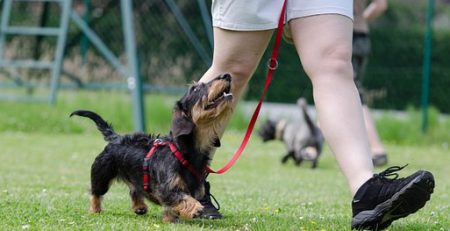
- A leash means a walk.
- A bowl means food.
- A doorbell means visitors.
- A car ride may mean the vet, park, or travel.
- A certain person may mean treats, play, or comfort.
These connections explain why dogs learn routines so quickly. They notice patterns in our behavior. If you always pick up your keys before leaving, your dog may become alert before you even walk out the door.
A dog may also run over as soon as they hear the treat jar open. Actions, sounds, smells, places, and emotions all help shape memory.
Scent and Dog Memory
For dogs, smell is one of the strongest memory tools. Their world is full of scent information, and scent often carries emotional meaning.
Your dog can recognize your smell, the scent of other animals, familiar places, toys, blankets, and even people they have not seen for a long time. This is one reason dogs may become so excited when they reunite with an owner after months or years apart.
To a dog, your scent is not just a smell. It can represent safety, routine, affection, food, walks, home, and comfort.
This is also why a familiar blanket or toy can help a puppy settle in a new home.
Dogs Have Emotional Memory
Dogs may not remember every event exactly the way humans do. However, they remember how experiences made them feel.
A gentle and kind person may create a positive memory. A loud or unpredictable person may create stress. One place may feel exciting because it means play, while another may feel uncomfortable because something unpleasant happened there.
Emotional memory matters because it affects behavior. It helps explain why some dogs feel nervous in certain situations, even when nothing bad is happening in the moment.
It also explains why dogs often greet familiar people with so much joy after a long separation. They may not remember every detail, but they remember the emotional connection.
In simple words, dogs remember feelings very well.
Do Dogs Have Episodic Memory?
Humans have episodic memory, which allows us to remember personal events from the past. We may remember a birthday, a holiday, or a specific day at the park.
Dogs probably do not experience episodic memory in the same detailed human way. However, research suggests that they can have episodic-like memory.
This means dogs may recall certain past actions or experiences, even when they were not expecting a memory test. For example, researchers have found that dogs can sometimes remember actions they saw or performed earlier.
This does not mean dogs think about the past exactly like people. Still, it shows that dog memory is more complex than simple habit or instinct.
Dogs Remember People Differently
A dog may remember some people more fondly than others because memory connects strongly with emotion and experience.
Someone who feeds the dog, plays gently, speaks calmly, offers comfort, or respects the dog’s space can create a positive memory. In contrast, a rough, loud, or unpredictable person may not create the same warm response.
This is why a dog’s favorite person is not always the most playful person. Sometimes it is the calmest person, the most predictable person, or the one who makes the dog feel safest.
Dogs remember trust.
Dogs Remember Routines
Routine plays a big role in dog memory.
Many dogs know when it is time for breakfast, walks, bedtime, or when someone is about to come home. They do not read clocks like humans, but they notice patterns. Light changes, household sounds, smells, and repeated behavior all give them clues.
A dog may learn that breakfast comes before a walk. Another routine may teach them that evening meals lead to quiet time. Shoes and keys may tell them someone is leaving.
Predictability helps dogs feel secure. When life follows a clear routine, dogs understand their world more easily.
Dogs Remember Places
Dogs also have strong spatial memory. They can remember where they live, where their bed is, where food is kept, and which routes they take on walks.
Some dogs remember favorite parks, houses, paths, and places where something exciting or scary happened.
That is why a dog may pull toward a familiar park entrance. It also explains why another dog may hesitate near a place connected with a bad experience.
Places carry memory too.
Training Depends on Memory
Dog training works because dogs remember associations and consequences.
If a dog learns that sitting calmly brings a reward, they are more likely to repeat the behavior. When coming back after being called leads to praise, treats, and safety, recall becomes stronger.
The same rule works the other way too. If leash pulling always gets the dog closer to something exciting, the dog may learn that pulling works.
Consistency matters because dogs learn best when the same behavior leads to the same result. Mixed signals can confuse them. For example, if jumping sometimes brings attention and sometimes brings correction, the dog may not understand what people expect.
Good training creates clear, positive memories.
Bad Experiences Can Stay in a Dog’s Memory
Positive memories matter, but negative experiences can also stay with a dog.
Fearful events, harsh punishment, painful handling, or stressful environments can create lasting anxiety. This is especially important with puppies, because early experiences can shape how they respond to the world later.
One difficult moment does not have to ruin a dog forever. With patience and positive experiences, dogs can recover and build new associations.
Still, we should handle and train dogs with care. Trust takes time to build, and memory plays a big role in that trust.
Do Dogs Forget?
Yes, dogs can forget some things, especially random events that had no emotional meaning or repetition.
However, they remember things more strongly when those things repeat often, connect to strong emotions, bring rewards, or relate to safety.
For example, a dog may quickly forget a random sound outside. But they may remember the sound of the food bag opening. They may forget a stranger they passed once, but they may remember a person who cared for them.
Memory becomes stronger when it matters to the dog.
Puppy Memory: Why Early Experiences Matter
Puppies learn constantly. They remember how people handle them, how safe the world feels, and whether new experiences feel positive or frightening.
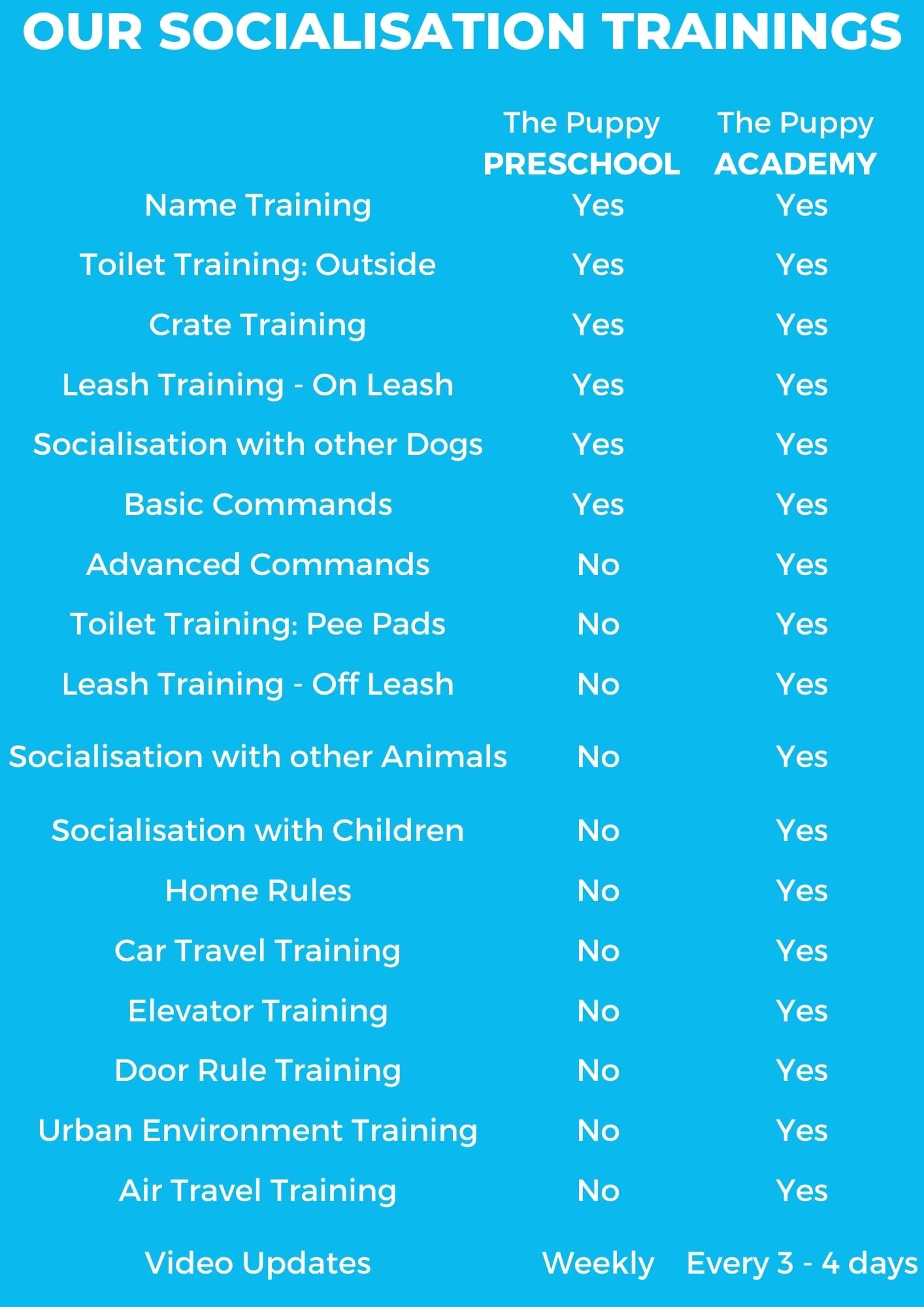
This is why early socialization and gentle handling are so important. A puppy who learns that brushing, car rides, vet visits, strangers, other dogs, and household sounds are safe will often grow into a more confident adult dog.
Puppies do not need overwhelming experiences. They need calm, positive, age-appropriate exposure.
Good early memories can help create a more stable adult dog.
Senior Dogs and Memory Changes
As dogs age, memory and learning can change. Some senior dogs may become confused, forget routines, wake at unusual times, get lost in familiar places, or respond less than before.
Sometimes normal aging causes these changes. In other cases, canine cognitive dysfunction may play a role. This condition can affect memory, sleep, learning, and behavior in older dogs.
If an older dog suddenly seems confused, anxious, disoriented, or forgetful, speak with a veterinarian. Early support can improve comfort and quality of life.
How to Build Positive Memories with Your Dog
If you want your dog to remember you fondly, focus on trust.
Be consistent. Use gentle training. Reward good behavior. Respect your dog’s body language. Create routines. Offer safe adventures. Keep experiences positive. Stay patient during fear, mistakes, and learning.
Dogs remember the people who make them feel safe.
They remember the voice that comforts them. They remember gentle hands, familiar routines, and the feeling of being loved.
Final Thoughts
Dog memory is not exactly like human memory, but it is powerful in its own way.
Dogs remember through scent, association, emotion, routines, places, training, and personal experiences. They may not replay memories like a human story, but they remember what matters most: who feels safe, what brings joy, where they belong, and how people make them feel.
Your dog may not remember every single day you spent together.
But they remember your smell, your voice, your kindness, your routine, and the feeling of being loved.
To a dog, that may be the most important memory of all.
References
- Fugazza, C., Pogány, Á., & Miklósi, Á. — “Recall of Others’ Actions after Incidental Encoding Reveals Episodic-like Memory in Dogs.”
- Fugazza, C. et al. — “Mental representation and episodic-like memory of own actions in dogs.” Scientific Reports.
- Dror, S. et al. — 0“Dogs with a vocabulary of object labels retain them for at least 2 years.” Biology Letters.
- Kokocińska-Kusiak, A. et al. — “Canine Olfaction: Physiology, Behavior, and Possibilities for Practical Applications.”
- Cornell Riney Canine Health Center — “Cognitive Dysfunction Syndrome.”
Read More from NewDoggy
Want to learn more about puppy care and life with dogs?
For more care tips, read our guide to dog nutrition and puppy wellness and learn how proper feeding habits can support healthy growth, digestion, energy, and long-term wellbeing.
New puppy parents may also enjoy our guide to best dogs for first-time dog owners, especially when choosing a breed that fits their lifestyle, home, and experience level.
When you are ready to meet your future companion, you can browse available puppies and explore different breeds, personalities, and options currently listed on NewDoggy.