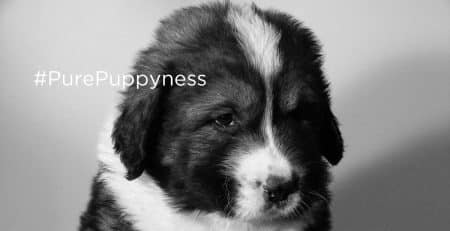
What does it mean for a dog to be purebred?
The Evolution and Reality of Purebred Dogs
Purebred dogs are all the rage nowadays. But what does it actually mean for a dog to be purebred? Pure breeding is a concept in genetics where individuals of similar genetic composition are bred together in an attempt to retain as uniform a genetic composition as possible. Usually, the aim of this process is the retention and inheritance of desirable genes from parents to offspring. Pure breeding provides the extra security that a future litter of puppies will have desired characteristics, whether they are aesthetic criteria or traits related to performance and function.
Tracking Lineage: Stud Books and Pedigrees
To keep track of pure breeding, a system of stud books and pedigrees was developed. A pedigree involves recording a dog’s lineage going back a number of generations. This process allows breeders to have sufficient information regarding the candidates they are considering for breeding purposes. Furthermore, it helps reinforce main breed or line characteristics and assists in weeding out genetic problems when properly utilized.
A Brief History of Breeding Records
-
The idea of keeping breeding records dates back as early as the 13th century.
-
During this time, lords and knights attempted to improve the breeding of their horses by keeping records and selecting only the best animals.
-
The modern, highly organized system of breeding books and pedigrees for dogs began sometime during the 18th century.
-
The first pedigree dog is thought to have been Major, a Pointer described by John Henry Walsh in 1865.
-
Walsh introduced this description in an attempt to curb disagreements between dog show judges caused by a lack of existing breed standards.
Are Purebred Dogs Always the Best Choice?
Not so fast! Purebred puppies can be said to have better traceability and can be expected to grow up to look and act a certain way. However, this outcome heavily depends on the breeder. If breeders fail to take care of the information that pedigrees and breeding books provide, or resort to questionable breeding methods, a breed’s restricted genetic pool can lead to greater odds of litters carrying breed-associated genetic disorders. Therefore, it is imperative to make the right choice and select a reputable breeder, even if it means paying a bit more money.
Purebred vs. Crossbred: Which Should You Choose?
Deciding whether to get a purebred or crossbred dog highly depends on what you are looking for as a prospective owner:
-
Crossbred Dogs: Crossbred dogs can be fantastic companions for families that are not too demanding and do not have many boxes for their dog to tick, other than being a loving companion and a furry friend to cuddle with on cold days.
-
The Unpredictability Factor: However, if you have special requirements, the unpredictability of what a crossbred puppy will grow into can be too much of a gamble, often leading to disappointment.
-
Working Capabilities: Randomly crossbred dogs might not be very suited as specialized working dogs and would fail to meet the needs of farmers, hunters, or individuals in need of personal protection.
-
Genetic Health Risks: One must keep in mind that purebred dogs have been found to have a greater chance of carrying genetic breed-specific diseases.
-
The Ethical Solution: Fortunately, this risk is largely avoidable by purchasing dogs from a good dog breeder who believes in ethical breeding.