The History of Beagle | Tricolored Friend
What do Charles Darwin’s famous ship, a brand of beer, and a crater on the surface of Mars all have in common? They share their name with the beloved breed featured in today’s history blog: the Beagle.
While the exact origins of the name remain a bit of a mystery, many experts believe it stems from the French word beugler, meaning “to bellow”—a highly appropriate nod to the dog’s characteristic baying and howling.
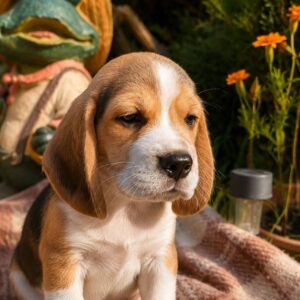
Toby – male Beagle puppy

An Ancient Hound
The Beagle is a classic, small-to-medium hound, famous for its tricolored coat, floppy ears, and soulful eyes. Its ancestors date as far back as the 5th century BC, with Ancient Greek writers mentioning similar keen-nosed scent dogs.
Near Extinction and Rescue
While the breed thrived as hunting companions in Medieval and Renaissance England, they nearly went extinct in the 1700s. As fox hunting on horseback became the new fashion, the wealthy elite favored the much larger, faster Foxhound. Fortunately, the Beagle was quietly saved by the working-class farmers of Britain and Ireland, who kept the smaller dogs because they could easily follow them on foot to hunt rabbits.
The Modern Beagle Emerges
In the mid-1800s, English breeders like Reverend Phillip Honeywood and Thomas Johnson began refining the breed, focusing on both excellent hunting skills and a handsome appearance. Soon after, American breeders took an interest, further refining them into a slightly more compact dog tailored for the brush. Together, these transatlantic efforts shaped the sturdy, merry, and beautiful Beagle that continues to capture hearts around the world today.
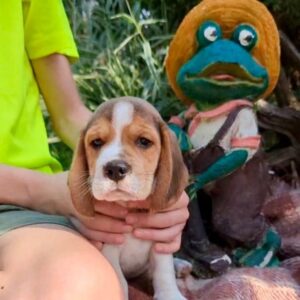
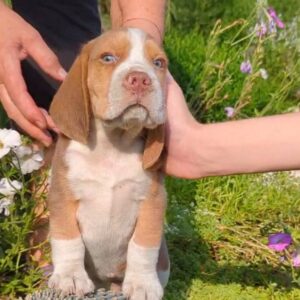
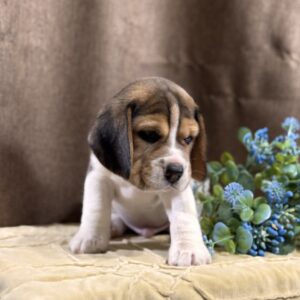
Beagle puppies
Appearance and Personality
Modern Beagles are sturdy, compact dogs with a short, easy-to-care-for coat. They have a distinctively rounded skull and large, famously soulful eyes that can melt almost any heart. Personality-wise, Beagles are incredibly playful, affectionate, and wonderfully gentle with children, making them fantastic family pets for those willing to understand their unique quirks.
Health and Wellness
While generally robust and healthy, Beagles are prone to a few specific conditions. Their adorable, floppy ears can easily trap dirt and moisture, making them susceptible to ear infections, and they can occasionally suffer from hip dysplasia or thyroid issues. First-time owners should also be aware of “reverse sneezing.” This is a completely harmless but highly alarming condition where the dog makes a loud, choking or honking noise while rapidly inhaling air. Finally, Beagles have notoriously huge appetites for their size. Because they are so food-motivated, daily long walks are absolutely essential to keep them fit and prevent weight gain.
The Hound Instinct: Scents and Escapes
To successfully live with a Beagle, you must respect their deep-rooted hunting instincts. Armed with one of the most powerful noses in the dog world, a Beagle that catches an interesting scent will instinctively follow the trail to the ends of the earth. When “on a scent,” they develop tunnel vision, happily wandering off and completely ignoring traffic, boundaries, and even their frantic owner’s calls. Because they are determined diggers and surprisingly agile climbers, backyard fences are not always enough to contain them. For their own safety, Beagles should always be kept on a leash during walks and never left unsupervised.
Vocalization and Training
As pack hounds, Beagles thrive on companionship and prefer to be right by their family’s side. If left alone and bored in a garden, they will almost certainly let the whole neighborhood know. Beagles are famous for their wide vocal range—they don’t just bark; they bay, howl, and “speak” when they are frustrated or have caught an exciting scent.
Because they were bred to track game miles ahead of hunters, they have an independent, problem-solving mindset, which can sometimes come across as stubbornness. However, with a little patience, plenty of positive reinforcement (and a few high-value treats), you can absolutely train your independent thinker to be a model doggy citizen.
Available Puppies
-
Beagle

Olaf - Male
4200 $
Beagle -
Beagle
Olen - Male
4200 $
Beagle -
Beagle
Jackson - Male
4350 $
Beagle