Water Dogs, Swimming Safety and Summer Heat
Water Dogs, Dogs and Summer Safety: Swimming, Heatstroke and Responsible Puppy Care
Summer and water often go together: beach days, lake trips, pool afternoons, boat rides and garden splash sessions. For many dogs, water can be a wonderful source of fun, exercise and cooling relief.
But not every dog is a natural swimmer.
Some dogs are born water lovers. Others are happier as poolside companions. Both are perfectly fine. The most important thing is to understand your dog’s breed, body type, confidence level and heat sensitivity before planning summer activities.
What Is a Water Dog?
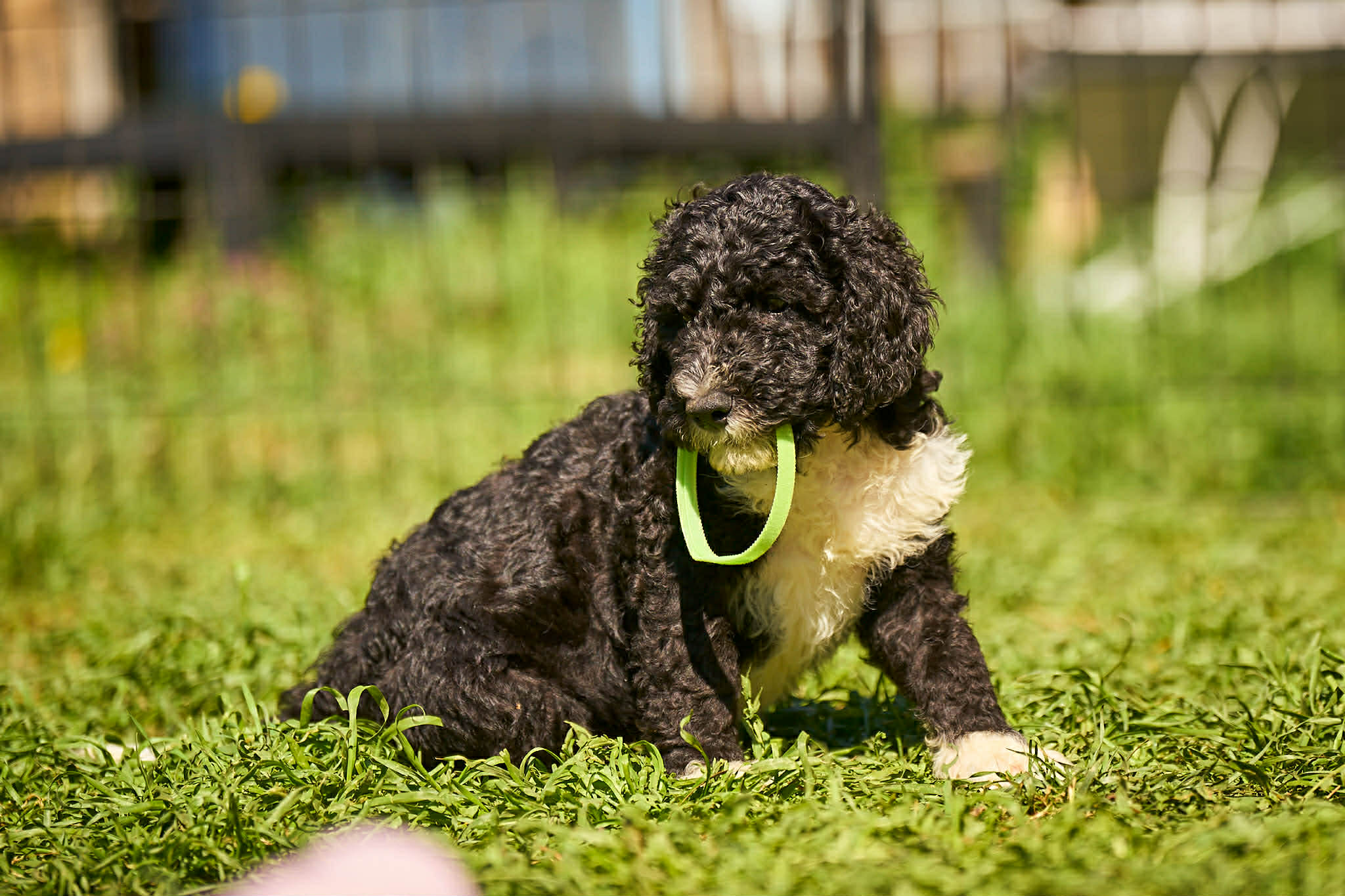
A water dog is usually a breed that was originally developed to work in or near water. These dogs often helped people retrieve birds from lakes and marshes, work on boats, assist fishermen or move through wet terrain.
Many water dogs have strong bodies, webbed paws, water-resistant coats, retrieving instincts and natural confidence around water.
Popular water-loving breeds include:
- Portuguese Water Dog
- Spanish Water Dog
- Golden Retriever
- Labrador Retriever
- Standard Poodle
- Lagotto Romagnolo
- Newfoundland
- Barbet
- Irish Setter
- English Setter
These breeds often enjoy swimming, but breed history is not a safety guarantee. Even a water-loving breed should be introduced to water slowly and supervised carefully.
Not Every Dog Is Built for Swimming
Some dogs can struggle in water because of their body shape.
Flat-faced breeds such as French Bulldogs, Bulldogs and Pugs may have difficulty keeping their face above water while breathing comfortably. Heavy-bodied dogs, short-legged breeds, very small puppies, senior dogs and dogs with thick coats may also tire faster.
This does not make them less wonderful. It simply means they may need a different kind of summer fun.
For these dogs, shallow paddling, a small splash pool, shaded garden time or relaxing beside the family may be safer than real swimming.
French Bulldogs Need Extra Care Around Water
French Bulldogs deserve special attention. Many Frenchies enjoy being close to their family during summer activities, and some may like shallow water or a small paddling pool.
However, they are not built for long or unsupervised swimming. Their flat faces, compact bodies and shorter legs can make swimming difficult and tiring.
Around pools, lakes, beaches or boats, French Bulldogs should always be closely supervised and usually need a properly fitted dog life jacket.
For Frenchies, the safest rule is simple: shallow water, short sessions, shade, fresh water and no pressure to swim.
Introduce Water Slowly
Whether your dog is a Labrador or a French Bulldog, water should always be introduced gently.
Start in shallow, calm water where the dog can touch the ground. Let them explore at their own pace. Use praise, toys and positive encouragement.
Never push, throw or force a dog into water. A bad first experience can create fear, while a calm introduction can build confidence.
Also make sure your dog always has an easy way to get out of the water. This is especially important around pools, where dogs may panic if they cannot find steps or a ramp.
Why a Dog Life Jacket Matters
A dog life jacket is not only for dogs that cannot swim. It is also useful for dogs near boats, lakes, rivers, deep pools or the sea.
Even strong swimmers can become tired. Waves, currents, cold water, slippery surfaces and panic can all create risk.
A good life jacket should fit securely without restricting movement. Look for adjustable straps, bright colors, reflective details and a strong handle so you can help guide or lift your dog when needed.
Before using it in deep water, let your dog wear it at home and test it in shallow water first.
Pool, Lake and Beach Safety
Swimming safety is not only about the dog. The environment matters too.
Pools should be fenced or secured so dogs cannot fall in accidentally. If your dog has pool access, make sure they know how to get out.
At lakes and rivers, avoid fast-moving water, strong currents and stagnant water. At the beach, watch for waves, salt water, heat, sharp shells and rocks.
Dogs should not drink pool, lake, river or ocean water. Always bring fresh drinking water and offer regular breaks.
After swimming, rinse your dog’s coat to remove chlorine, salt, sand or dirt. Dry the ears gently, especially in breeds prone to ear problems.
Summer Heat and Heatstroke: A Short Safety Reminder
Water can help dogs cool down, but it does not remove the risk of heatstroke.
Heatstroke is a serious emergency. It happens when a dog’s body temperature rises too high and the dog cannot cool down properly.
Warning signs may include heavy panting, fast breathing, excessive drooling, weakness, confusion, vomiting, diarrhea, unsteady movement, collapse or seizures.
Flat-faced breeds, puppies, senior dogs, overweight dogs, thick-coated dogs and dogs with heart or breathing problems are at higher risk.
If your dog seems overheated, move them into shade or a cool room immediately. Offer small amounts of water, use cool water to start cooling the body, and contact a veterinarian. Do not use ice-cold water or cover the dog with wet towels for a long time.
Dogs can also get sunburn, especially on light-colored coats, thin fur, ears, noses, bellies, and areas with less hair. During strong sun, choose shade, avoid long exposure, and ask your veterinarian about dog-safe sunscreen if your dog is at higher risk.
Simple Summer Rules for Every Dog
To keep summer safe and enjoyable:
- Never leave a dog alone in a parked car.
- Avoid hot pavement and midday walks.
- Offer fresh water often.
- Choose shade and airflow.
- Keep swimming sessions short.
- Supervise dogs around all water.
- Use a life jacket when needed.
- Never force a dog to swim.
- Watch flat-faced breeds especially closely.
A happy summer dog is not the one who does the most. It is the one who stays safe, cool, comfortable and loved.
How NewDoggy Helps Families Prepare
At NewDoggy, we know that every puppy is different. A Labrador Retriever, Portuguese Water Dog, Golden Retriever, French Bulldog, Dachshund or Maltipoo may each have a very different relationship with water.
That is why responsible puppy ownership starts with understanding the breed, body type, age, health and family lifestyle.
NewDoggy helps families welcome their puppies with practical guidance, realistic expectations and after-arrival support. During summer, this includes advice about heat, hydration, safe travel, calm settling-in days and age-appropriate activities — including water safety.
Final Thoughts
Swimming can be a beautiful part of summer, but only when it is safe.
Some dogs are natural water lovers. Others are safer and happier as poolside companions. Breed traits, body shape, age, health, confidence and weather all matter.
Introduce water slowly, supervise closely, use a life jacket when needed and protect your dog from heat. With the right care, every dog can enjoy summer — whether they are splashing in the lake or relaxing on a shady towel.