Dog Sleeping Positions | NewDoggy
What Your Dog’s Sleeping Position Says About Them
Dog sleeping positions can say a lot about how comfortable, safe, relaxed, or playful your dog feels. While every dog is unique, the way they sleep often reflects their mood, body temperature, level of trust, and natural instincts.
Some dogs curl into tiny balls. Others stretch out like superheroes. Some sleep belly-up with zero shame, while others prefer to stay close to their favorite human. These sleeping habits are not just adorable — they can also give us a sweet little glimpse into your dog’s personality.
Let’s look at some of the most common dog sleeping positions and what they may mean.
Common Dog Sleeping Positions and Their Meaning
Every dog has their own favorite way to sleep. Some positions may suggest comfort and confidence, while others may show that your dog wants warmth, security, or quick access to movement.
Of course, sleeping style is not an exact personality test. Dogs change positions for many reasons, including temperature, tiredness, age, health, bedding, and daily activity. Still, these sleeping habits can be a fun and helpful way to understand your dog better.
The Curled-Up Ball
One of the most common dog sleeping positions is the curled-up ball. In this position, your dog tucks their paws close to the body and curls their tail around themselves.
This position helps dogs keep warm and protect their most sensitive areas, such as the belly and chest. It comes from natural survival instincts, especially from times when dogs needed to stay protected while resting.
A dog who sleeps curled up may simply be trying to stay cozy. It does not always mean they feel nervous. Many happy, relaxed dogs love this position because it feels warm and secure.
The Belly-Up Dog Sleeping Position
A dog sleeping on their back with their belly exposed is one of the cutest sights in the world. It usually shows comfort, trust, and confidence.
The belly is a vulnerable area, so dogs often choose this position when they feel safe in their environment. It can also help them cool down, especially because the belly has less fur than other parts of the body.
If your dog sleeps belly-up with paws in the air, they are probably feeling relaxed, secure, and completely at home.
The Side Sleeper
Many dogs sleep on their side when they feel calm and comfortable. This position allows the body to relax fully, which usually means your dog feels safe enough to enjoy deep rest.
Side sleepers often look peaceful because their legs, neck, and belly are exposed. Dogs who sleep this way may be easygoing, affectionate, and trusting.
This is also a common position for dogs who are truly settled in their home and enjoy being close to their family.
The Superman Position
The Superman position happens when a dog lies on their belly with front legs stretched forward and back legs stretched behind them. Puppies and playful dogs often love this position.
This sleeping style allows a dog to jump up quickly if something exciting happens. It is common in energetic dogs who want to rest but still stay ready for playtime.
If your dog sleeps like a little flying superhero, they may have a fun, active, curious personality.
The Cuddle Sleeper
Some dogs love sleeping pressed against their owner, another dog, or even a favorite soft toy. This position is all about closeness and comfort.
Dogs are social animals, and many enjoy physical contact while resting. Sleeping close to someone they trust can make them feel safe, warm, and connected.
If your dog loves to cuddle while sleeping, they may be affectionate, loyal, and deeply bonded with you.
The Donut Position
The donut position is similar to the curled-up ball, but often even tighter. Your dog may tuck their nose toward their tail and create a neat little circle.
This can be a cozy position for warmth and comfort. Some dogs use it when they want to feel secure, especially in a new environment or during cooler weather.
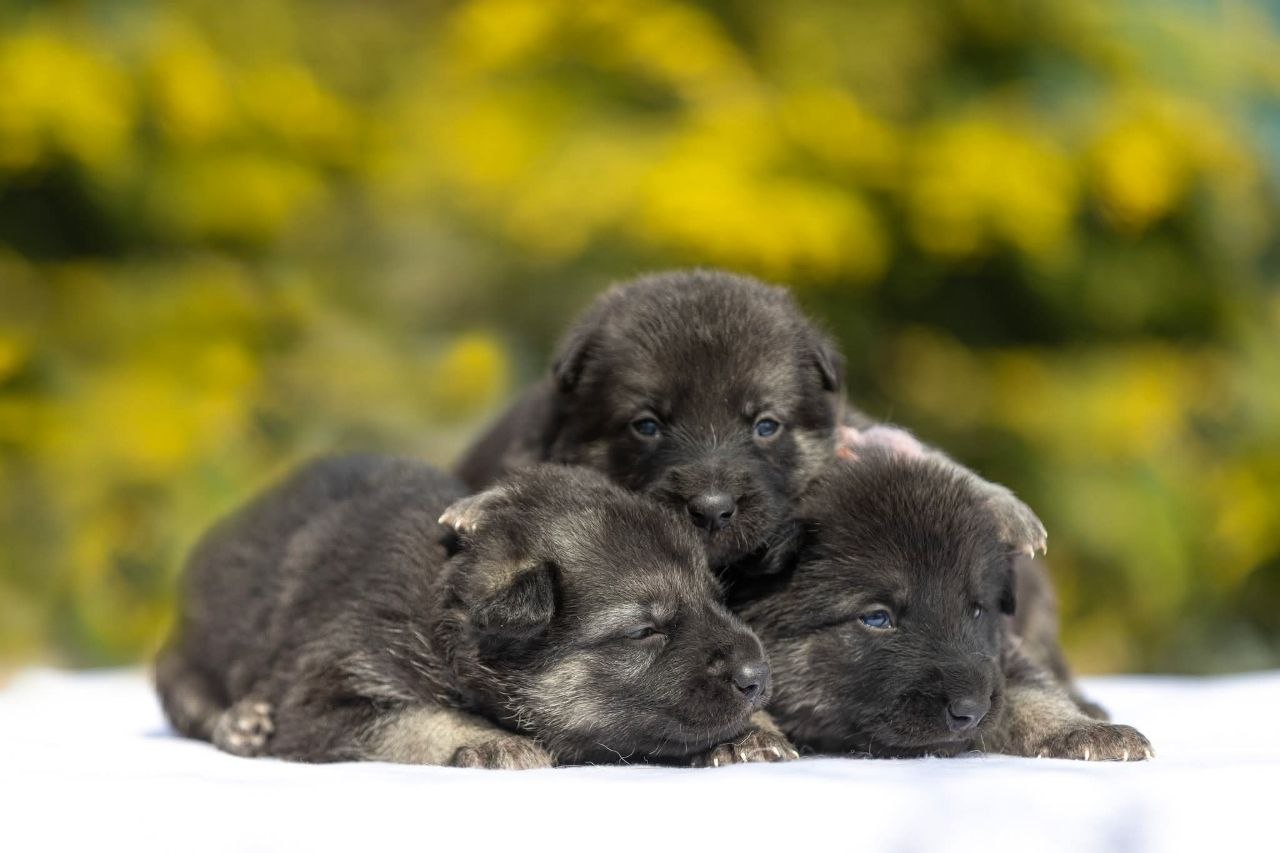
For puppies, this position can feel especially comforting because it reminds them of sleeping close to their littermates.
The Lion Pose
In the lion pose, your dog rests their head on their paws while lying on their belly. They may look relaxed, but they are usually not in a deep sleep.
This position often means your dog is resting while still staying alert. They may be ready to get up quickly if they hear something interesting, smell food, or notice movement nearby.
Dogs who sleep in this position may be calm but watchful, especially if they like to keep an eye on their surroundings.
The Under-the-Blanket Sleeper
Some dogs love burrowing under blankets, pillows, or soft bedding. This can be especially common in smaller breeds, puppies, and dogs who enjoy feeling extra cozy.
Burrowing can make dogs feel safe and warm. It may also come from natural denning instincts, where enclosed spaces feel protective and comforting.
If your dog likes sleeping under blankets, make sure they can breathe comfortably and move out easily when they want to.
The Sprawled-Out Sleeper
Some dogs stretch their whole body across the floor, sofa, or bed as if they own the entire house. This position often shows confidence and relaxation.
A sprawled-out dog may feel completely comfortable in their space. They are not worried about taking up room, and they may simply enjoy stretching their muscles.
This position is especially common after playtime, exercise, or on warm days when dogs want to cool down.
Can Dog Sleeping Positions Show Personality?
A dog’s sleeping position can give small clues about their mood and comfort level, but it should not be treated like an exact personality test.
Sleeping habits can still be a fun way to understand your dog better. A belly-up sleeper may feel very secure. A cuddle sleeper may crave closeness. A Superman sleeper may always be ready for the next adventure.
The most important thing is to notice what is normal for your own dog.
When Should You Pay Attention?
Most sleeping positions are completely normal. However, if your dog suddenly changes their sleeping habits, seems uncomfortable, avoids certain positions, cries when lying down, or struggles to get up, it may be worth speaking with a veterinarian.
Changes in sleep can sometimes be linked to pain, stress, digestion, breathing, or other health concerns. You know your dog best, so trust your instincts if something feels unusual.
Helping Your Dog Sleep Comfortably
A good sleeping space can help your dog feel secure and relaxed. Give your dog a clean, soft bed in a calm area of the home. Make sure they have enough space to stretch, curl up, or move around.
Puppies may also appreciate a cozy bed, a familiar blanket, and a quiet routine. A predictable bedtime can help them settle faster, especially after moving into a new home.
Comfort, safety, and routine all support better sleep.
Final Thoughts
Your dog’s sleeping position is one of the many charming ways they express comfort, trust, and personality. Whether your dog curls into a tiny donut, sleeps belly-up like royalty, cuddles close, or stretches out like a superhero, each position tells a small part of their story.
The best part is simple: when your dog sleeps peacefully, they probably feel safe, loved, and at home.
And that is exactly what every dog deserves.
References
- PetMD — Dog Sleeping Positions and What They Mean
- Purina — Dog Sleeping Positions: What Do They Mean?
- VCA Animal Hospitals — Canine Communication: Interpreting Dog Language
- VCA Animal Hospitals — Do Dogs Dream?
- VCA Animal Hospitals — Should You Let Your Dog Sleep in Your Bed?
Read More from NewDoggy
Want to learn more about puppy care and life with dogs?
For more care tips, read our guide to dog nutrition and puppy wellness and learn how proper feeding habits can support healthy growth, digestion, energy, and long-term wellbeing.
New puppy parents may also enjoy our guide to best dogs for first-time dog owners, especially when choosing a breed that fits their lifestyle, home, and experience level.
When you are ready to meet your future companion, you can browse available puppies and explore different breeds, personalities, and options currently listed on NewDoggy.