History of the German Spitz
The German Spitz: A Fluffy, Fearless Watchdog
Question: What dog is impossibly fluffy, undeniably cute, and possesses the sharp instincts of an elite watchdog? Answer: The German Spitz.
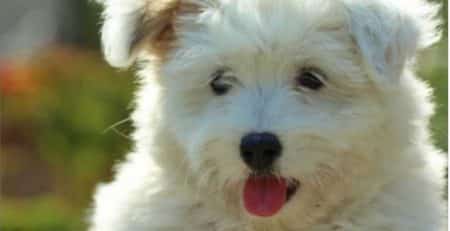
With its plush coat, fox-like expression, and signature curled tail, this lively breed often resembles a miniature Samoyed. But don’t let their toy-like appearance fool you—they are bold, intelligent little dogs packed with character, unwavering loyalty, and remarkable health.
“Spitz”: A Type or a Specific Breed?
The word “Spitz” can sometimes be confusing because it is used to describe both a broad type of dog and several specific breeds.
As a category, Spitz-type dogs can vary wildly in size and color, but they all share distinct, wolf-like physical traits: a thick double coat, pointed ears, a wedge-shaped muzzle, and a heavily plumed tail that curls proudly over their back. This ancient canine family includes the massive Akita Inu, the aloof Chow Chow, the hardworking Siberian Husky, and, of course, the agile German Spitz.
Most modern Spitz-type breeds can trace their origins back to Siberia and other harsh Arctic regions. However, these dogs have also thrived in Europe for thousands of years. Archaeological evidence shows that Spitz-type dogs lived alongside human hunter-gatherer societies as far back as 6,000 years ago. In Switzerland, researchers have even unearthed Spitz skeletons dating back 2,000 years. Over the millennia, these resilient dogs spread across the globe, reaching as far as Mongolia and Japan.
Northern Legends and Royal Roots
The German Spitz’s direct ancestors were robust Nordic herding dogs, such as the Samoyed and the Lapphund. According to historical legend, these northern dogs first arrived in Europe alongside seafaring Viking raiders.
Over time, these dogs were bred down in size, and hundreds of years later, they became a staple in German provinces. Here, they were highly valued as vigilant watchdogs. True to their nature, the little dogs would seek out high vantage points—like a tall hillock or a wagon—and bark loudly to alert their owners if a stranger or predator approached.
The forerunners of the modern German Spitz made their grand entry into England in the 1700s. King George I of England had a German wife, and as the British royal family continued to intermarry with German nobility, these fluffy little companions naturally followed them across the channel. At the time, they were broadly referred to as “Pomeranians” (named after the region of Pomerania, though they were much larger than the modern teacup Pomeranian we know today). By the 19th century, Queen Victoria had become incredibly fond of the breed, helping to cement their status as beloved aristocratic pets.
The Fall and Rise of the Spitz
Despite their royal backing, the German Spitz faced a massive decline in Great Britain around the outbreak of the First World War. As public sentiment became fiercely patriotic, anything linked to Germany or the Axis powers was widely rejected—including German dog breeds.
During this time, the German Spitz became incredibly rare, overshadowed by other breeds, and nearly disappeared from the UK altogether. It wasn’t until around 1975 that dedicated breeders successfully revived the breed, helping it regain its rightful popularity in the UK and beyond.
Appearance and Grooming
The German Spitz is a small, sturdy dog, generally standing about 29 to 36 cm (11 to 14 inches) tall and weighing around 10 kg (22 lbs). They are often classified into two distinct size categories: the Klein (small) and the Mittel (medium).
-
The Coat: They boast a magnificent double coat—a soft, wooly undercoat protected by a harsh, straight outer coat. They come in a wide spectrum of gorgeous colors, including orange, black, brown, pristine white, and wolf-grey.
-
The Silhouette: They feature the classic Spitz-type silhouette: a sharp, pointed muzzle, alert triangular ears, and a bushy tail resting on the back.
-
Grooming: That beautiful fluff requires commitment! Their thick coat must be brushed out several times a week to prevent painful tangles and matting, particularly during their heavy shedding seasons.
Personality and Temperament
The German Spitz makes an absolutely fantastic family pet, but they are not a passive lapdog. They are highly intelligent, independent thinkers with a taste for adventure.
-
Vocal Watchdogs: They have not forgotten their heritage. They tend to be highly vocal, a trait directly inherited from their days guarding German farms. Without proper training from a young age, this alert nature can easily turn into nuisance barking.
-
Active Minds: You must give a German Spitz a “job” or keep their mind engaged. If they become bored, they will quickly entertain themselves by howling or chewing up your furniture. They are bold and active, making them eager companions for long walks and outdoor play.
-
Training Approach: Because they are so smart, they can be a bit stubborn. This is not a breed that will offer unquestioning, robotic obedience. They respond best to positive reinforcement, patience, and short, engaging training sessions.
-
Family Life: The Spitz usually gets along wonderfully with children. However, because of their smaller size, interactions with toddlers should always be supervised to ensure the child plays gently and does not accidentally injure the dog.
Health and Longevity
Fortunately, the German Spitz is renowned for being a hardy, long-lived, and generally healthy breed, often living well into their mid-teens. However, like any purebred dog, they are susceptible to a few specific health conditions:
-
Patellar Luxation: A common issue in smaller breeds where the kneecap temporarily slips out of place, causing a skipping gait.
-
Eye Conditions: They can be prone to Progressive Retinal Atrophy (PRA) and other inherited eye disorders.
-
Epilepsy: Idiopathic epilepsy is occasionally seen in the breed.
To ensure your German Spitz lives a long, happy life, always source your puppy from a reputable, responsible breeder who actively screens their breeding dogs for these genetic conditions.