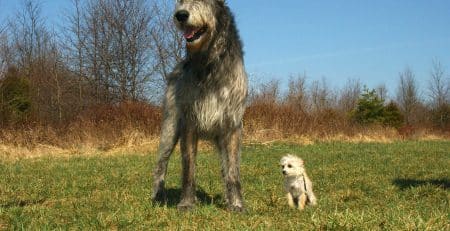
Hypoallergenic dogs
The Myth and Magic of Hypoallergenic Dogs
For animal lovers, few things are as heartbreaking as discovering you are allergic to your favorite four-legged friends. Instead of enjoying cozy cuddles on the couch, you are left battling red, itchy eyes, a runny nose, and relentless sneezing. For those with asthma, the symptoms can escalate into dangerous territory, while others may experience severe skin irritation or even break out in hives.
This frustrating reality often leads people to search for the holy grail of pets: the hypoallergenic dog. But before you bring a new puppy home, it is crucial to understand the science behind canine allergies and what “hypoallergenic” actually means.
The Truth About Dog Allergies
First, let’s bust a common myth: there is no such thing as a 100% hypoallergenic dog.
Allergic reactions are not actually caused by dog hair. They are triggered by specific allergenic proteins (glycoproteins) found in a dog’s dander (dead skin flakes), saliva, and urine. Because every single dog produces these proteins, no breed is entirely allergy-free.
However, science offers a silver lining. Research shows that certain dogs shed fewer allergenic proteins than others. Even within the same breed, individual dogs can produce slightly different variations of these proteins, meaning one specific dog might trigger your allergies while another does not.
To minimize allergic reactions, look for breeds that fall into these three distinct categories:
1. Curly, Rough, and Low-Shedding Coats
The primary reason certain breeds are touted as hypoallergenic is their unique coat structure. Dogs with tightly curled or wiry hair do not shed the way double-coated breeds (like Huskies or Golden Retrievers) do. Instead of falling out and floating around your house, the loose hair and dander get trapped tightly within their dense curls.
-
Top Breeds: Poodles (Standard, Miniature, and Toy), Lagotto Romagnolo, and popular crosses like the Labradoodle or Cockapoo.
-
Straight-Haired Exceptions: Some straight-haired dogs, like the Maltese or Yorkshire Terrier, possess hair that is structurally closer to human hair. They shed very little, making them excellent choices for allergy sufferers.
-
The Catch: Because their hair traps the dander and doesn’t shed naturally, these dogs require high maintenance. They must be brushed frequently at home and taken to a professional groomer regularly for clipping or hand-stripping to prevent painful, severe matting.
2. The Hairless Breeds
Another fascinating category of allergy-friendly canines includes the hairless dog breeds. While hair itself isn’t the allergen, a lack of fur means there is nothing for the dander and dried saliva to cling to and drop around your home.
-
Top Breeds: The Chinese Crested, the Mexican Hairless (Xoloitzcuintli), the Peruvian Inca Orchid, and the American Hairless Terrier.
-
The Benefits: Having practically no coat makes these dogs incredibly easy to wipe down. A quick daily wipe with a damp cloth easily removes accumulated dander, pollen, and environmental allergens from their skin, keeping the allergen load in your home to an absolute minimum.
-
The Catch: Their unique aesthetic might not be for everyone, and their exposed skin requires special care—including canine-safe sunscreen in the summer and cozy sweaters to prevent shivering in the winter.
3. Why Size Matters
When shopping for an allergy-friendly dog, the math is simple: less dog equals less dander.
The physical size of the dog directly correlates to the total surface area of their skin. A smaller surface area naturally produces a lower overall volume of dander.
To put this into perspective, all Schnauzers have wiry, low-shedding coats. However, if you suffer from severe allergies, you are far more likely to experience symptoms living with a 70-pound Giant Schnauzer than you would living with a 15-pound Miniature Schnauzer. When in doubt, scale down to minimize the sheer volume of allergens in your home.
Final Tips for Allergy Sufferers
Choosing the right breed is only half the battle. To successfully cohabitate with a dog, you must actively manage your environment:
-
Set Boundaries: Keep the dog out of your bedroom entirely to ensure you sleep in an allergen-free zone where your body can recover.
-
Upgrade Your Air: Invest in high-quality HEPA air purifiers for the rooms you frequent most to filter airborne dander.
-
Frequent Bathing: Wash your dog (or better yet, have a non-allergic family member do it) regularly with a gentle, moisturizing pet shampoo to wash away loose dander and saliva.
Armed with the right knowledge and a bit of preparation, you can finally enjoy the loyal, four-legged companion you’ve always wanted—without having to stock up on boxes of tissues or rely entirely on antihistamines.