The canine world is a wonderfully diverse place. While almost every country boasts at least one native breed—many of which are officially recognized by major kennel clubs—there remains a massive global demand for dogs that fall slightly outside traditional pedigree standards.
Enter the designer dog. Unlike random mixed breeds (mutts) with unknown heritage, designer dogs are deliberately engineered by crossing two specific purebreds. The goal? To combine the most highly desirable traits from both parents into one spectacular canine package. While some are bred purely for aesthetics and companionship, others are strictly utilitarian, designed for high-performance lifestyles and demanding jobs.
Here is a deep dive into the fascinating categories of designer dogs, why they are bred, and the ethical considerations you need to know before bringing one home.
1. The Poodle Mixes (The “Doodle” Phenomenon)
Whether it’s a Cockapoo, Labradoodle, Maltipoo, Goldendoodle, Schnoodle, or Yorkiepoo, the Poodle is undoubtedly the undisputed king of modern crossbreeding.
The primary driving force behind the “Doodle” craze is the Poodle’s unique, low-shedding coat. Many people seek out these mixes hoping for a hypoallergenic dog. However, the term “hypoallergenic” can be slightly misleading. All dogs still produce the dander and saliva proteins that trigger human allergies.
What Poodle mixes do offer is significantly less shedding than the average pooch, which traps the dander in the coat rather than releasing it onto your furniture. By mixing universally beloved, family-friendly breeds (like the Labrador or Golden Retriever) with the highly intelligent Poodle, breeders have successfully delivered a highly desirable compromise for allergy-prone dog lovers.
2. The Lurcher (The Ultimate Working Hybrid)
While the Doodle craze is a relatively modern trend, crossbreeding for pure function has ancient roots. Hunters and working dog enthusiasts often prioritize physical skill, speed, and intelligence over paper pedigrees.
The Lurcher is a classic, historical example of a purpose-bred hybrid. Traditionally, a Lurcher is created by mixing a sighthound (such as an English Greyhound or Whippet) with either a pastoral herding dog (like a Border Collie) or a terrier (like a Staffordshire Bull Terrier).
The Goal: To combine the blistering speed and sharp vision of a sighthound with the high trainability, intelligence, and grit of a working breed. The result is a highly effective, versatile hunting and coursing dog that thrives when given a job to do.
3. Sledding Dogs (The Eurohound)
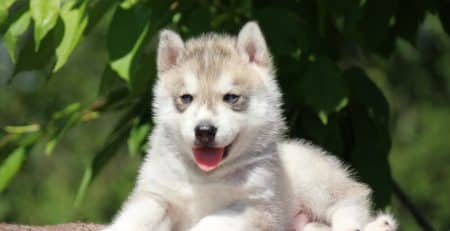
Utilitarian breeding is perhaps most obvious in the extreme sport of dog sledding. Historically, mushers relied almost exclusively on heavy, Spitz-type breeds like the Siberian Husky, Alaskan Malamute, or traditional Alaskan Husky.
However, as sprint sled dog racing evolved, mushers began experimenting to find a competitive edge. This led to the creation of the Eurohound hybrid. Eurohounds are typically produced by crossing an Alaskan Husky with a pointing breed, most commonly the German Shorthaired Pointer or English Pointer.
The offspring of this mix benefit immensely from a biological phenomenon known as hybrid vigor (heterosis). They combine the unmatched endurance and cold-weather resilience of the Husky with the explosive speed and athleticism of the Pointer, resulting in an exceptional, elite-level canine athlete.
4. The Designer Lapdog
Be it a Maltipoo (Maltese x Poodle), a Chug (Chihuahua x Pug), or a Pomchi (Pomeranian x Chihuahua), these tiny hybrids are purpose-bred to fit seamlessly into modern, urban lifestyles.
They are the quintessential pocket-sized companions, designed to be small enough to carry in a tote bag and affectionate enough to inhabit their owner’s lap for hours on end. Because these dogs are bred primarily for their diminutive size and unique, “teddy bear” aesthetics, prospective owners should expect a massive amount of physical variation. Even within a single litter, puppies can look vastly different from one another depending on which parent’s genetics become dominant.
Crucial Considerations: The Ethics of Designer Dogs
While the concept of blending the best traits of two distinct breeds sounds perfect on paper, acquiring a designer dog requires a high degree of responsibility, research, and caution.
| Ethical Factor |
Why It Matters |
| The Genetic Lottery |
Crossing two established breeds comes with a significant degree of unpredictability. While many puppies win the genetic lottery, genetics are never a guarantee. Some puppies may inherit the shedding coat of a Retriever alongside the high-strung anxiety of a Poodle. |
| Responsible Breeders |
An ethical breeder health-tests both parent dogs, screens for genetic diseases, and has a humane backup plan to provide fantastic homes for all puppies, regardless of how their traits manifest. |
| The Threat of Puppy Mills |
Because designer dogs are currently a massive trend, they command high price tags. Unfortunately, this makes them a prime target for puppy mills and unethical backyard breeders who care only about profit, not animal welfare. |
Your Role: Buying exclusively from a responsible breeder who runs their kennels at a high ethical standard and allows you to visit the premises is the most effective way to curb puppy mills. Starving unethical breeders of your money is the first and most vital step in protecting the future of these special hybrid dogs.