Do Dogs Sweat?
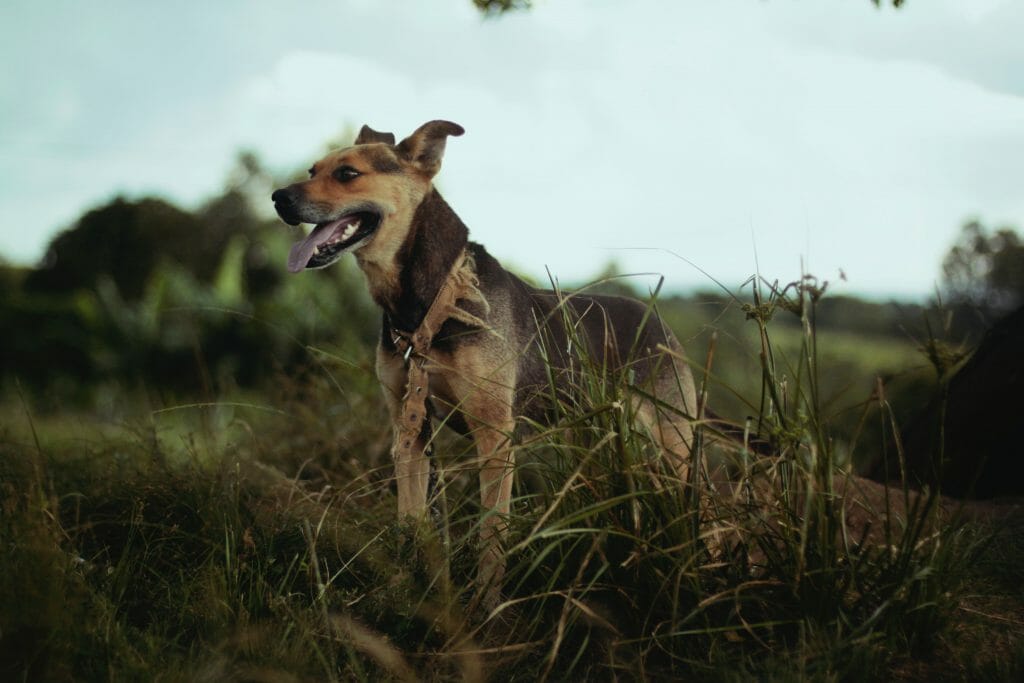
Those early morning jogs with your dog might leave you both panting and exhausted, but chances are, you are the only one visibly dripping with sweat. You might find yourself wondering: do dogs actually sweat, or do they rely entirely on panting to survive a hot day?
The short answer is: yes, dogs do sweat! However, their cooling system works quite differently from our own.
The Two Types of Canine Sweat Glands
Unlike humans, who have sweat glands distributed all over their bodies, dogs have a much more specialized system featuring two entirely different types of glands.
1. Merocrine Glands (The Coolers)
Merocrine glands are located exclusively in your dog’s paw pads. They function very similarly to human sweat glands, releasing moisture to help your four-legged friend release excessive body heat.
The placement of these glands is a brilliant evolutionary solution by Mother Nature. If dogs had sweat glands distributed across their entire skin, their thick fur coats would trap the moisture, preventing evaporation and leading to a soggy, dangerous breeding ground for bacteria. By placing them on the hairless paw pads, the sweat can actually evaporate.
2. Apocrine Glands (The Scent Makers)
Veterinarians also classify apocrine glands as sweat glands, but they have a purpose completely unrelated to cooling.
If you have ever watched two dogs meet, you know they spend a lot of time sniffing each other—not just when they first encounter one another, but repeatedly! These apocrine glands release unique pheromones all over the dog’s body. This chemical signature allows dogs to recognize each other, identify family members, and communicate vital social cues entirely through scent.
Why Panting is Their Superpower
While merocrine glands in the paws help regulate temperature, they are relatively few in number and simply not efficient enough to cool down a hot dog on their own.
Instead, dogs rely primarily on panting for thermoregulation. When a dog pants, they rapidly evaporate moisture from their tongue, respiratory tract, and lungs, allowing heat to escape quickly.
⚠️ A Crucial Warning: While panting is normal, excessive, frantic panting can be a sign of life-threatening heatstroke—especially in hot weather or enclosed spaces.
The Great Fur Debate: Should You Shave Your Dog?
When summer temperatures spike, many owners are tempted to shave their dog’s fur right down to the skin, assuming it will help them stay cool.
This is a dangerous misconception.
A dog’s double coat acts as a natural insulator. Just like a thermos keeps cold drinks cold and hot drinks hot, a dog’s coat protects their skin from direct, scorching UV rays in the summer while also trapping cool air close to the body. Shaving them strips away this natural defense, leaving them vulnerable to severe sunburns, skin cancer, and overheating.
As always, when it comes to summer grooming and heat management, the best way forward is to consult your veterinarian for advice tailored specifically to your dog’s breed and coat type.